





Much of the veteran conversation today focuses on crisis. We hear statistics about suicide, PTSD, addiction, homelessness, and the many challenges veterans face after leaving the military. Those conversations matter and they deserve attention. But if we truly want to improve outcomes for veterans, we also need to spend more time talking about what healing, growth, and long-term wellness actually look like.
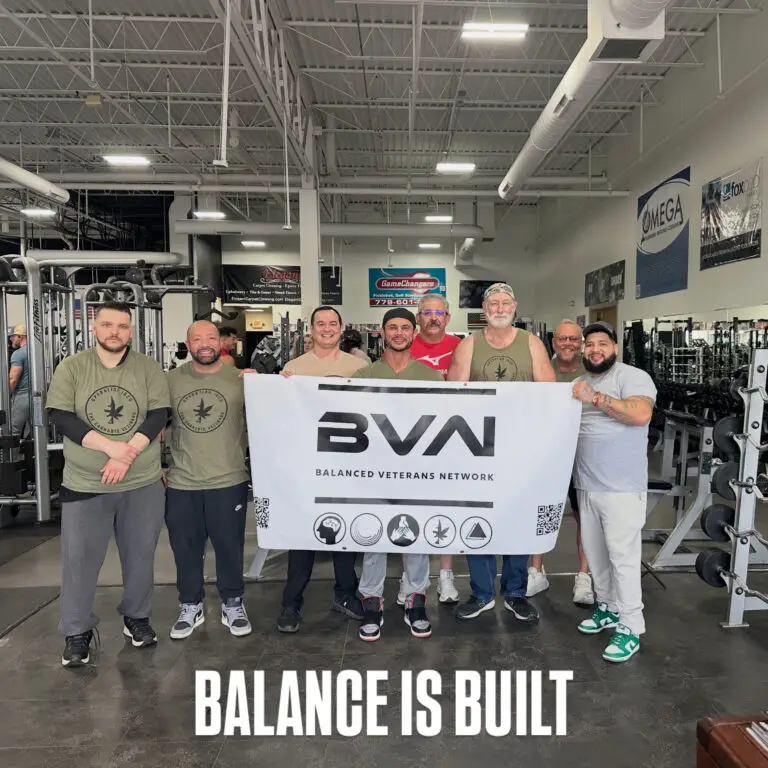
That’s the idea behind Balance Is Built, a storytelling series from Balanced Veterans Network that highlights veterans who are actively building meaningful lives after service. These aren’t celebrity stories or carefully crafted highlight reels. They’re honest conversations with everyday veterans who have faced adversity, struggled through transition, learned hard lessons, and found ways to continue growing long after their military careers ended.
One of those veterans is John MacBean.
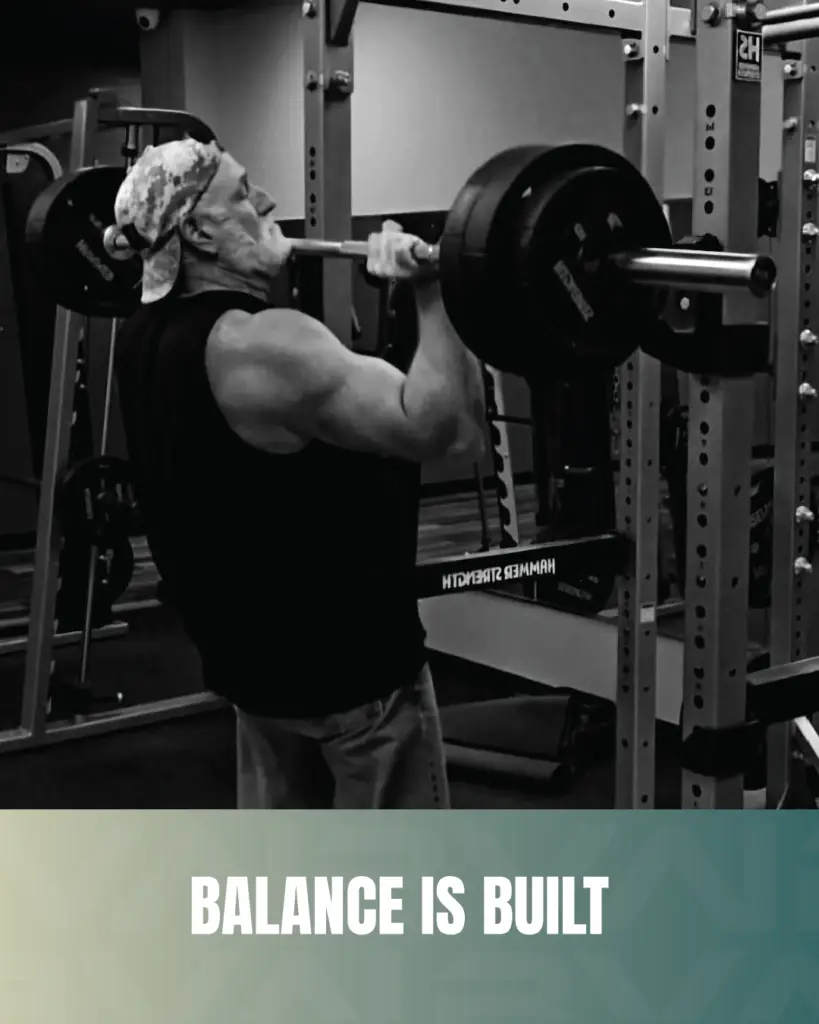
When most people picture someone in their mid-sixties, they probably aren’t imagining a competitive powerlifter still chasing world-class rankings. Yet at 65 years old, John continues competing at a high level, having participated in events like the Arnold Classic and tying for fifth in the world in his division. While those accomplishments are impressive, what stood out most during our conversation wasn’t his strength. It was his perspective.
John joined the Army in 1978 as a forward observer and, like many veterans, eventually faced the challenge of transitioning from military life into the civilian world. The military teaches discipline, teamwork, resilience, and mission focus, but it doesn’t always prepare people for the reality of rebuilding their identity after service. Many veterans spend years figuring out who they are without the rank, structure, and purpose that once guided their daily lives.
That transition can be far more complicated than most people realize.
For some, it means finding a new career. For others, it means repairing relationships, addressing mental health challenges, or learning how to take care of themselves in ways they never prioritized while serving. John spoke openly about the habits and mindsets many veterans carry with them after leaving the military. He discussed the drinking culture that often surrounds military service, the tendency to push through pain without addressing underlying issues, and the “gruff” mentality that can make it difficult to ask for help when it’s needed most.
What made John’s story so powerful was his willingness to acknowledge those realities without becoming defined by them. Rather than blaming circumstances or staying stuck in old patterns, he made a conscious decision to evolve.
Throughout our conversation, one theme emerged again and again: meaningful change is usually built through small daily actions rather than dramatic life-changing moments. We live in a culture that constantly promotes quick fixes, miracle solutions, and overnight transformations. Social media often gives the impression that success happens through one breakthrough moment. John’s experience tells a different story.
His approach to health and wellness is rooted in consistency. It comes down to getting enough sleep, paying attention to nutrition, moving your body, managing stress, and surrounding yourself with people who encourage growth rather than complacency. None of those habits are particularly glamorous, but over time they compound. The small decisions made each day eventually become the foundation of a healthier and more fulfilling life.
That philosophy extends far beyond fitness.
One of the most impactful moments during our conversation came when John shared a story about helping a friend who was struggling with severe night terrors related to combat experiences. It was a reminder that while many wounds are invisible, they are no less real. Veterans often carry burdens long after their service ends, and too many suffer in silence because they believe asking for help is a sign of weakness.
John’s perspective was refreshingly straightforward. If you’re struggling, get help. Don’t wait until you’re in crisis. Don’t convince yourself you have to handle everything alone. Whether someone is dealing with PTSD, depression, anxiety, addiction, chronic pain, or simply feeling disconnected from purpose, reaching out for support is one of the strongest things they can do.
This idea aligns closely with what we believe at Balanced Veterans Network. We often talk about building balance, but balance doesn’t mean perfection. It doesn’t mean having everything figured out or never experiencing setbacks. Balance means creating enough structure, awareness, and support in your life that you can continue moving forward even when challenges arise.
For some people, balance may involve improving physical health. For others, it may mean working on relationships, finding a sense of purpose, addressing unresolved trauma, or learning healthier coping mechanisms. The specific path looks different for everyone, but the underlying principle remains the same. Wellness is not something you stumble upon. It’s something you actively build through your choices, habits, and environment.
Community also plays a critical role in that process. One of the biggest challenges veterans face after service is isolation. The military creates a strong sense of belonging and shared purpose, and many veterans struggle to replace that once they leave. Without meaningful connection, it becomes easier to withdraw, lose motivation, and fall into unhealthy patterns.
John’s story serves as a reminder that growth rarely happens in isolation. Having people around you who encourage accountability, challenge you to improve, and genuinely care about your success can make an enormous difference. That’s one of the reasons Balanced Veterans Network exists. Our goal has never been to create another organization focused solely on problems. We want to create a community focused on solutions, growth, and helping veterans build lives they are genuinely excited to live.
Perhaps the biggest takeaway from John’s story is that personal growth doesn’t have an expiration date. Too often people convince themselves they’re too old, too broken, too far behind, or too set in their ways to change. John’s life demonstrates the opposite. At 65 years old, he’s still setting goals, still challenging himself, still competing, and still striving to become better than he was yesterday.
That mindset is something all of us can learn from.
His story isn’t really about powerlifting. It’s about refusing to settle. It’s about recognizing that growth remains possible regardless of age, background, or past experiences. It’s about understanding that every day presents another opportunity to make choices that move us closer to the life we want to build.
That’s the heart of Balance Is Built.
It’s not about perfection. It’s not about having all the answers. It’s about showing up consistently, taking ownership of your health and wellbeing, and continuing to move forward one day at a time.
If you’re a veteran, family member, or supporter looking to connect with others who are committed to growth, wellness, and purpose after service, we invite you to join us. Balanced Veterans Network is built around the belief that life after service can be meaningful, healthy, and fulfilling when we have the right tools, support systems, and community around us.
Because balance isn’t something you find.
It’s something you build.
Responses